Coding & Design Tutorials
Comprehensive tutorial series in Sinhala for Arduino, VB.NET, CorelDRAW, and Adobe Muse — written for Sri Lankan learners by the Software Lanthaya team.
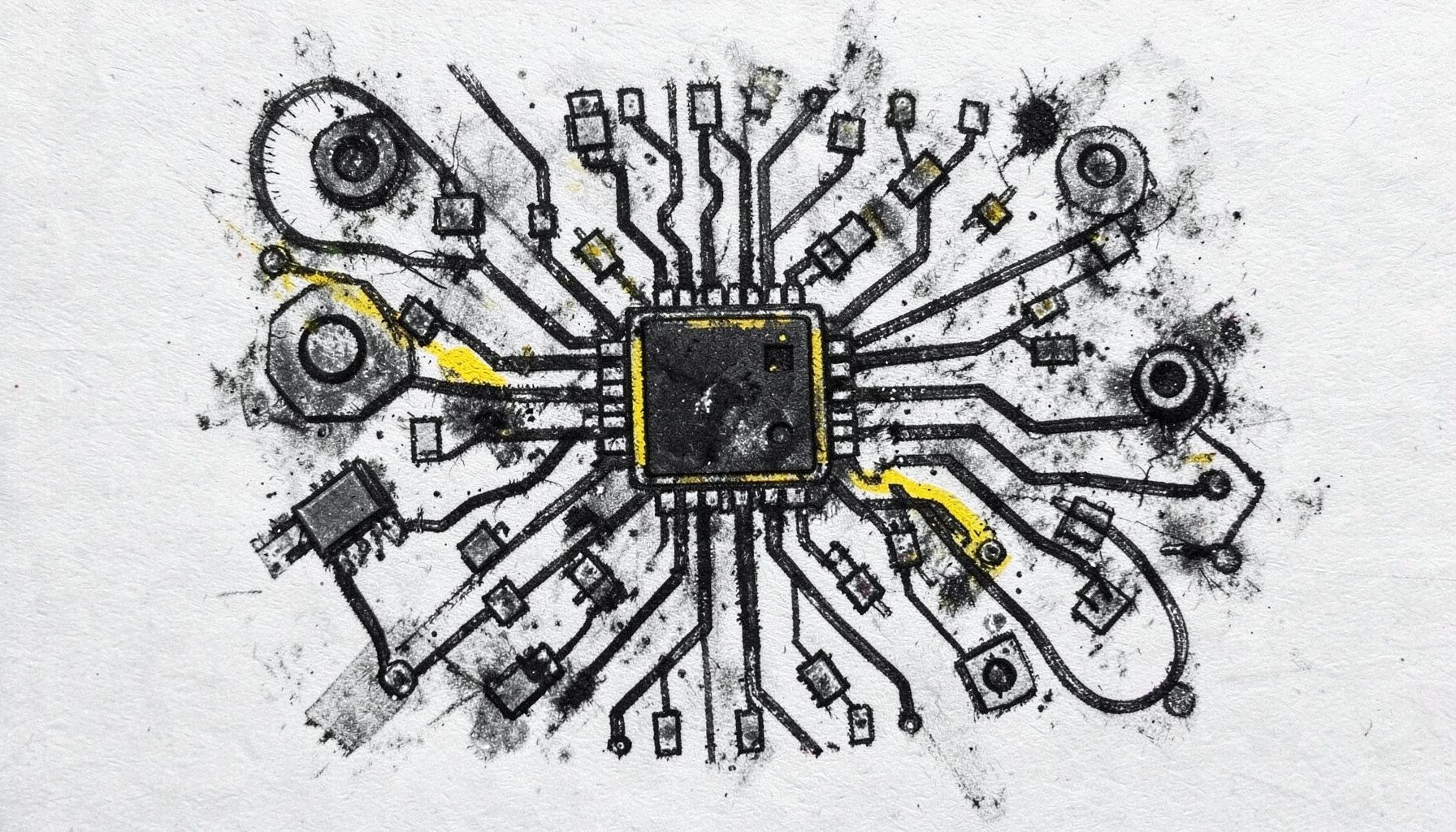
Tutorial Series
Step-by-step lessons covering hardware, software, and graphic design.
-
.jpg)
Arduino Lessons in Sinhala
From basic pin control to decoders and EEPROM data saving. Lesson 14 on decoders was published in December 2017 by Yashodha Lakshana.
-

VB.NET 2013 Lessons
Covers conditional logic, message boxes, and practical app development. Lesson 4 on conditional logic was published in October 2014.
-
CorelDRAW in Sinhala
Learn the interface, essential tools, and graphic design fundamentals. Three lessons available covering the basics.
-

Adobe Muse Lessons
Web design tutorials guiding you through building sites with Adobe Muse, step by step in Sinhala.
About the Authors
Tutorials are created by experienced contributors from the Sri Lankan tech community.
- Yashodha Lakshana — Arduino and electronics tutorials, including the popular decoder lesson series.
- Nipuna Liyanage — Contributor to the blog's programming and software content.
Have questions about a lesson? Visit the Contact page to reach the team or share feedback on the Feedback page.
Software Lanthaya was created to fill a noticeable gap in the Sri Lankan tech community: the need for high-quality technical content written in Sinhala. The blog covers a wide range of topics including Arduino programming, circuit design, and embedded systems, all explained in a way that makes complex concepts accessible to beginners. Each tutorial is carefully structured to guide learners step by step, from basic pin control to more advanced topics like EEPROM data handling and decoder circuits. The project also extends into software development with VB.NET lessons and graphic design tutorials using CorelDRAW, ensuring that readers gain practical, hands-on experience regardless of their starting skill level.
The design philosophy behind Software Lanthaya reflects its editorial and educational mission. The site uses a clean, minimal layout with generous whitespace, sans-serif typography, and a muted color palette that keeps the focus squarely on the content. Subtle yellow accents and soft card-style thumbnails help organize tutorial series without overwhelming the reader. This thoughtful approach to presentation mirrors the clarity found in the tutorials themselves, where each lesson builds logically on the previous one. Whether you are learning to control an LED with an Arduino or exploring the fundamentals of serial communication, the site provides a calm, distraction-free environment that encourages steady progress and genuine understanding.